
Reptiles are among the most interesting animals in the world, yet many of their habits remain misunderstood. Snakes, lizards, tortoises and crocodilians have developed unusual ways to move, find food and protect themselves in the wild.
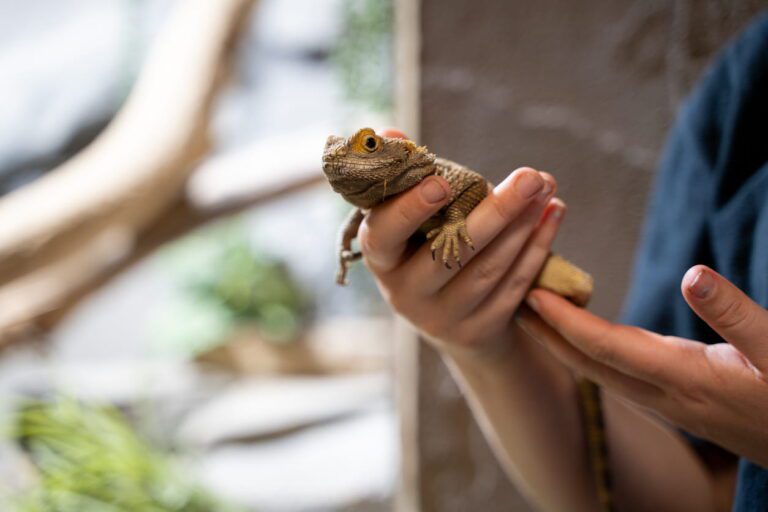
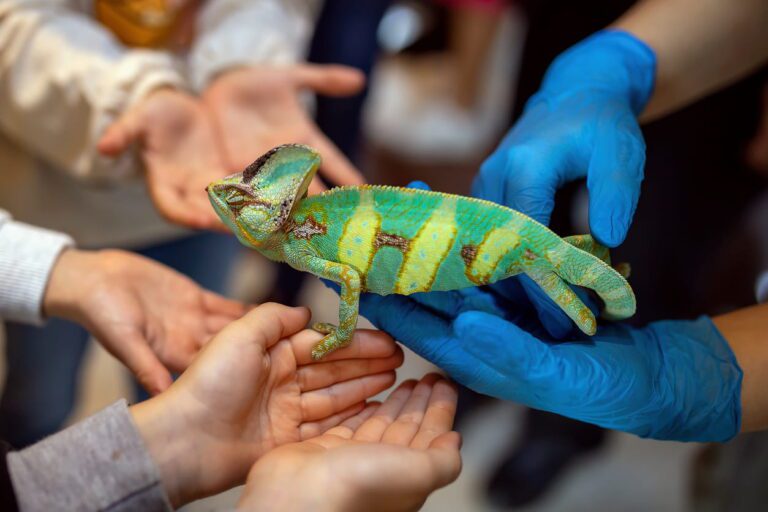
At Berkshire Reptile Encounters, we give children and adults the chance to see these animals up close. Meeting a reptile can often change how someone feels about it, especially once they learn more about its behaviour and natural abilities.
Reptiles do not communicate in the same way as familiar pets such as dogs or cats. Their movements and body language can be subtle, leading people to assume they are unfriendly or aggressive.
Most reptiles would rather move away from danger than confront it. Berkshire Reptile Encounters introduces each animal in a calm, supervised setting, helping guests understand how reptiles behave and why they deserve respect.
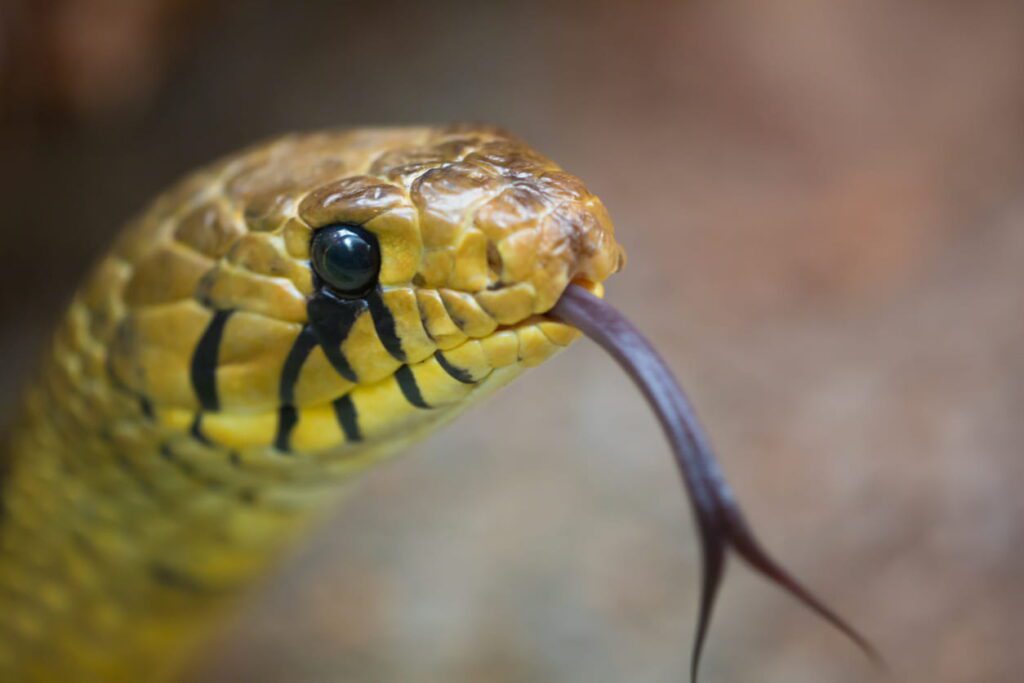
A snake flicks its tongue to collect scent particles from the air and nearby surfaces. These particles are transferred to a special organ in the roof of its mouth, helping the snake identify food, other animals and possible dangers in its surroundings.
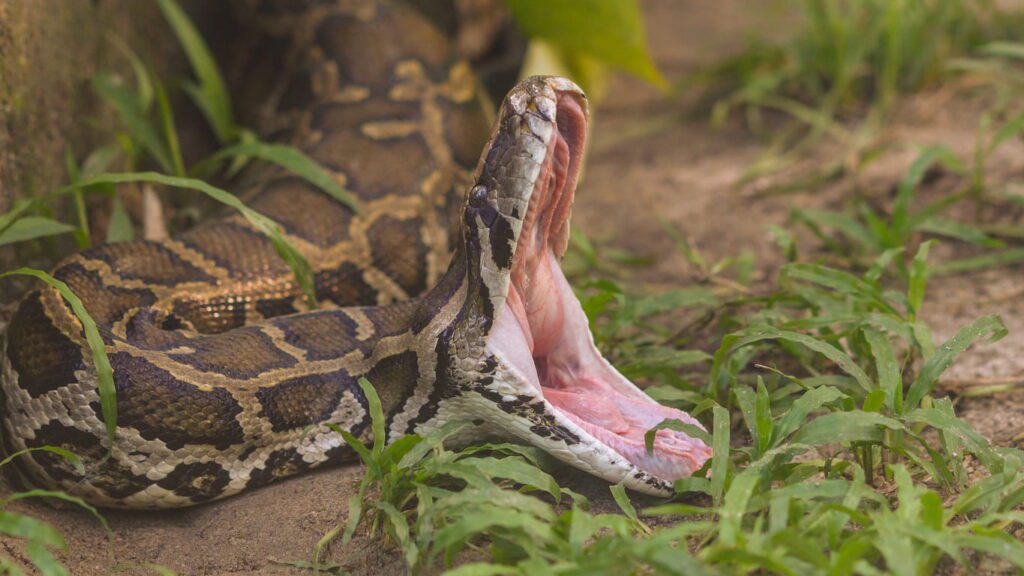
Snakes do not dislocate their jaws when swallowing large meals. Their lower jaws are made of separate sections joined by flexible tissue, allowing the mouth to stretch widely while the bones remain connected throughout feeding.
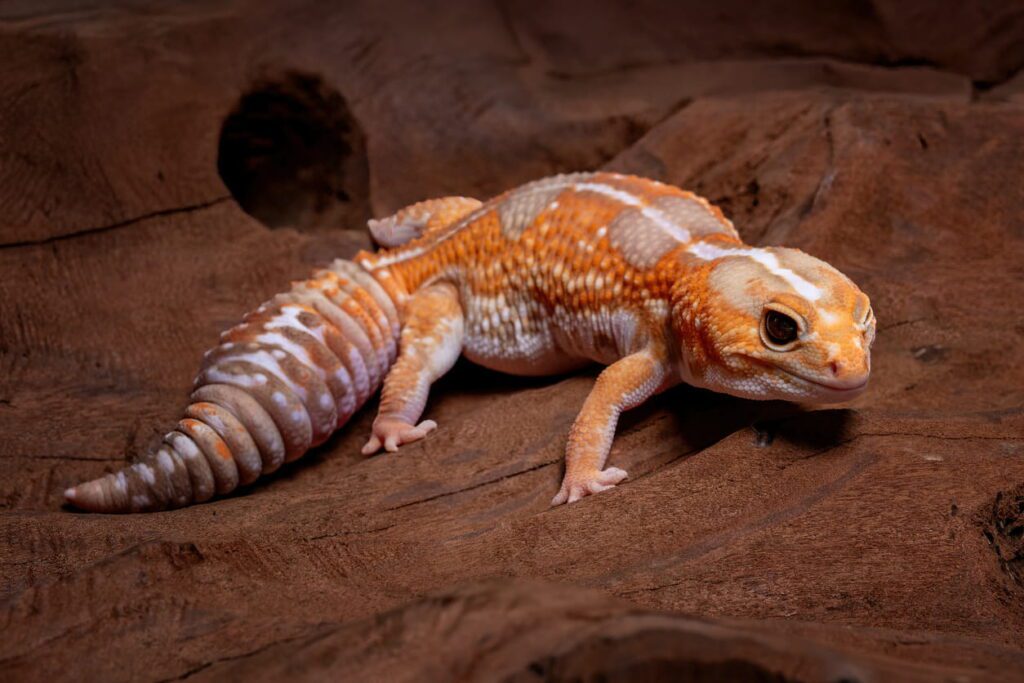
Several lizard species can shed part of their tail when threatened. The detached tail may continue moving, distracting the predator while the lizard escapes. A new tail can grow back, although it may look different from the original.
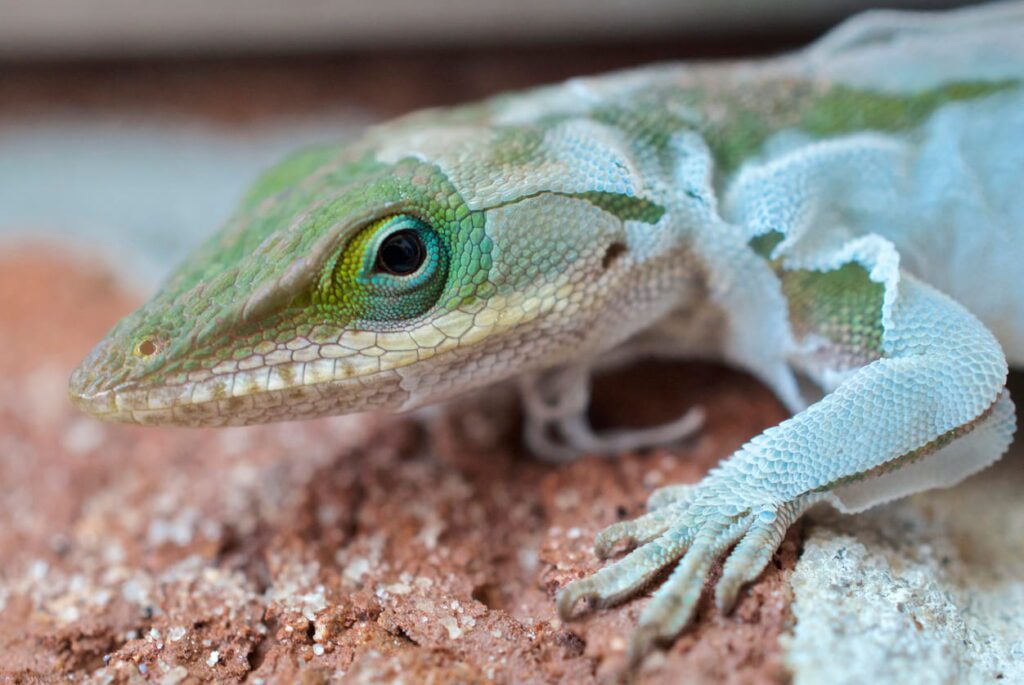
Reptiles shed because their outer skin does not grow continuously with their bodies. Snakes often lose the old skin in one long piece, while lizards usually shed in smaller patches. Suitable heat and humidity help this process happen correctly.
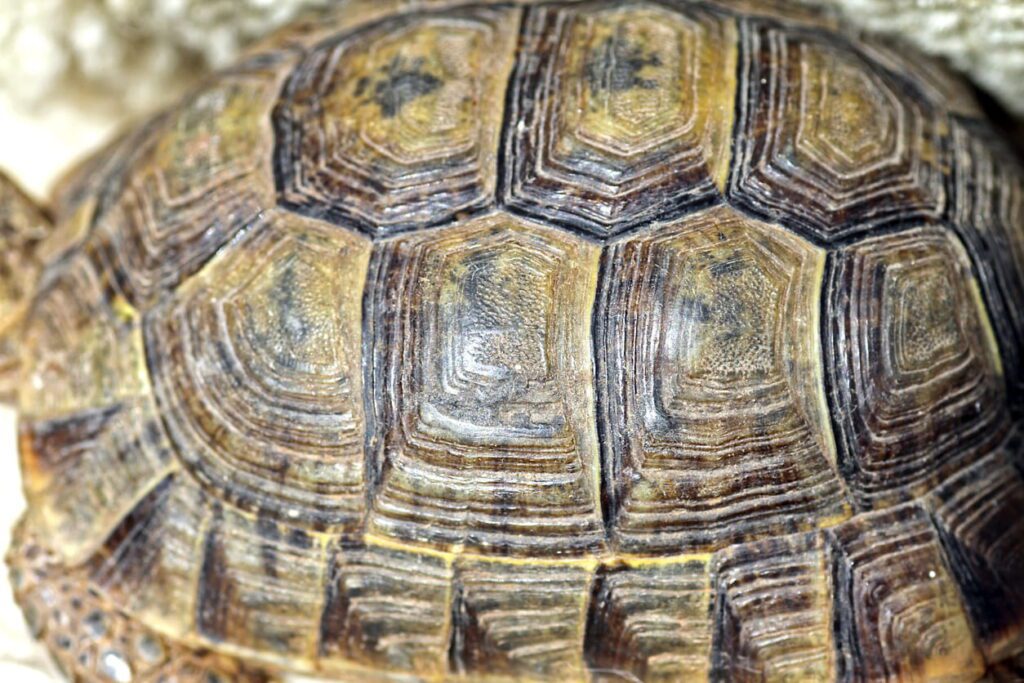
A tortoise cannot leave its shell because it is joined to the spine and ribs. The shell contains living bone covered by hard plates known as scutes. Tortoises can feel touch through their shells, so careful handling is always important.
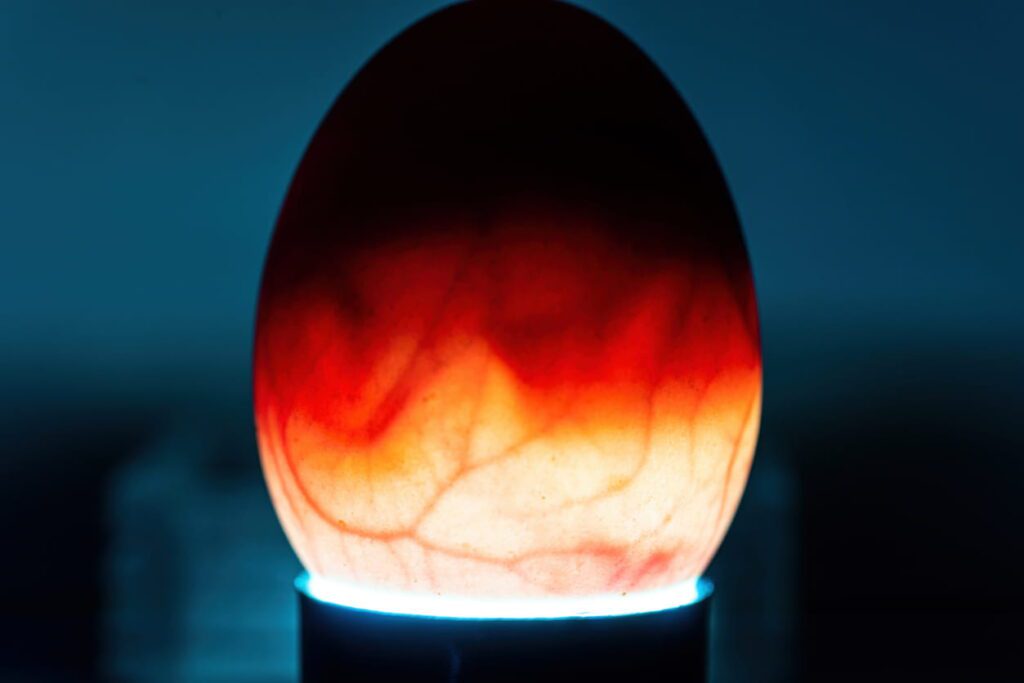
For some reptiles, the temperature surrounding the eggs can influence whether the young develop as males or females. This happens in several turtle and crocodilian species, meaning even small temperature changes can affect the animals that eventually hatch.
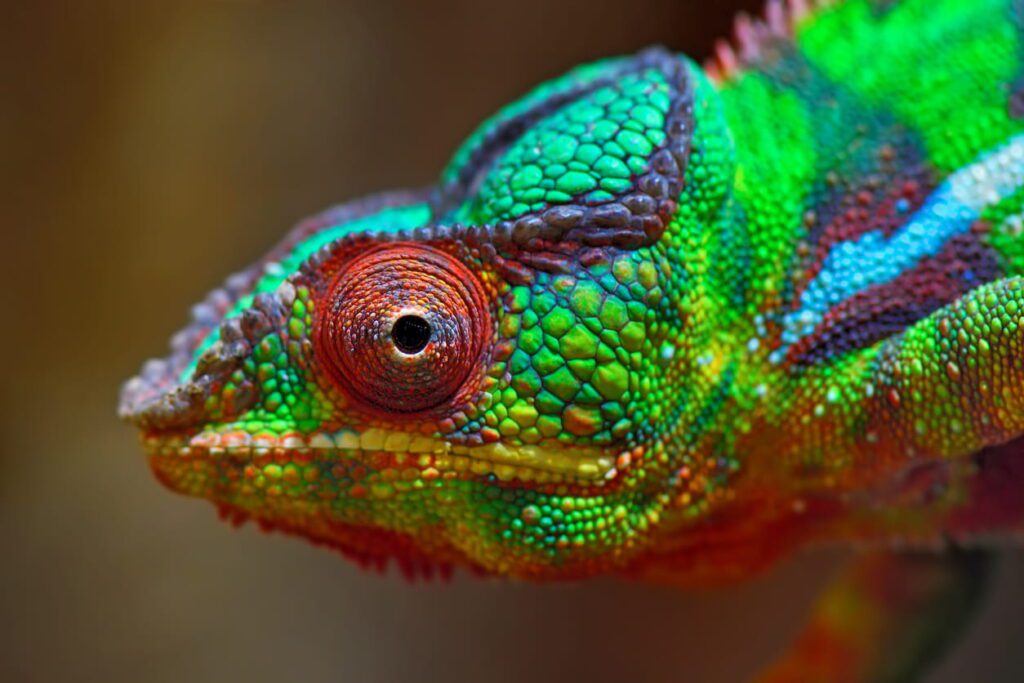
Chameleons do not change colour simply to match their surroundings. Their appearance can change in response to temperature, stress or communication. A chameleon may become brighter during a display or turn darker when it needs to absorb more warmth.
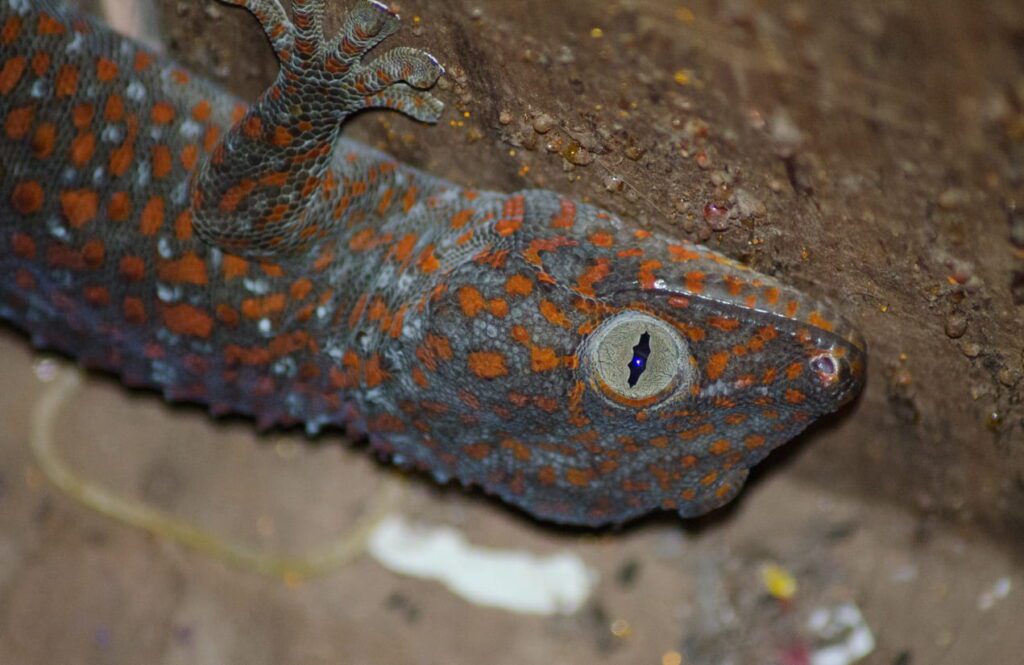
Many geckos have millions of microscopic hairs covering their toes. These hairs create enough attraction between the feet and a surface to support the gecko’s weight. Changing the angle of the toes allows the animal to release its grip quickly.
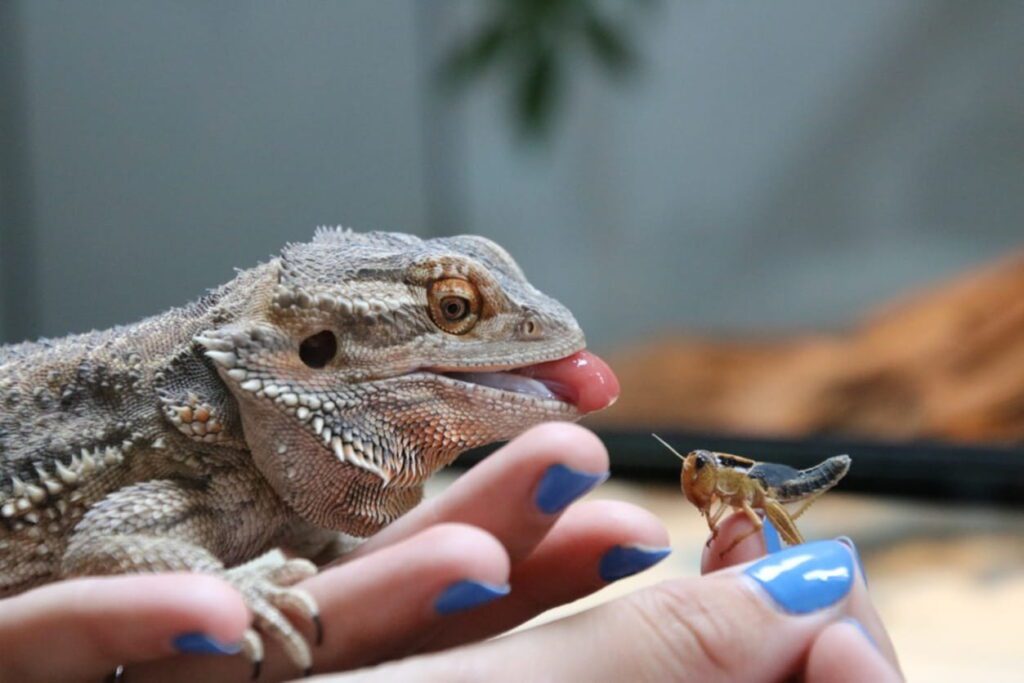
Reptiles generally use less energy than mammals because they rely on external heat to regulate their body temperature. Some species can go for long periods without food during colder months, although pet reptiles still require regular care and close monitoring.
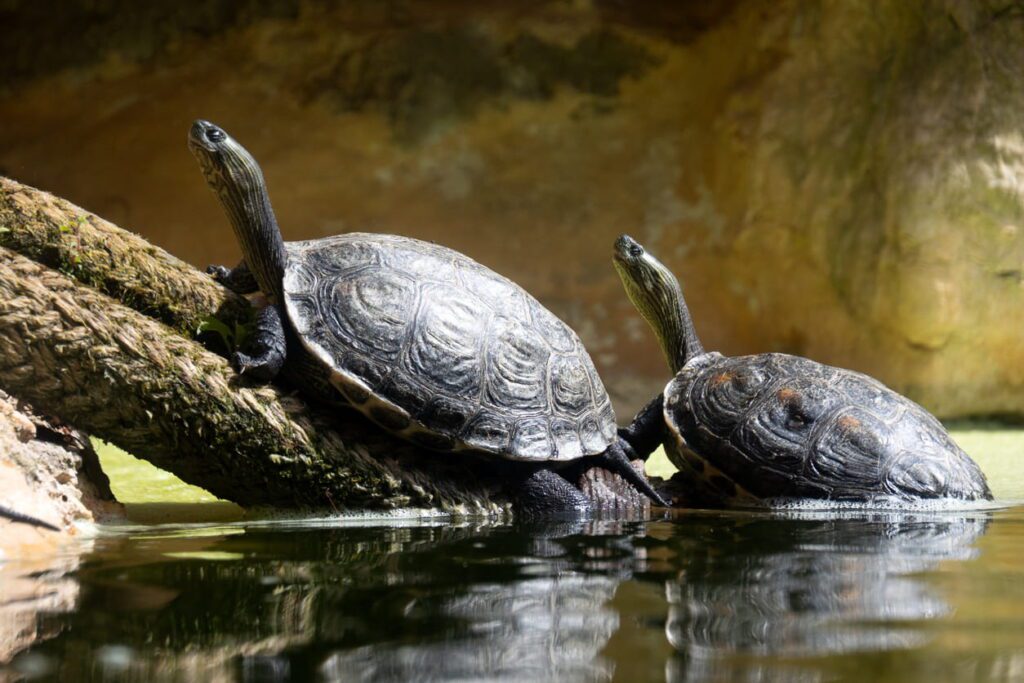
Certain freshwater turtles can absorb small amounts of oxygen through specialised areas near the rear of the body. This helps them remain underwater for longer during colder periods, although they still have lungs and normally breathe air at the surface.
Snakes do not recognise people in the same way as dogs or other social animals. They can, however, become familiar with certain smells, surroundings and routines.
A snake may associate someone approaching its enclosure with food or handling. This shows that snakes can learn, although it does not necessarily mean they form the same type of emotional bond as a mammal.
Lizards shed their skin as they grow, replacing the old outer layer. Young lizards often shed more regularly because their bodies are developing more quickly.
Good humidity and the correct temperature make shedding easier. Skin that remains around the toes or tail may cause problems, so reptile owners should watch the process carefully.
Many reptiles grow slowly and use less energy than mammals, which may help explain their long lifespans. Tortoises are especially well known for living for several decades.
Some snakes and lizards can also live much longer than people expect. Reptile ownership should therefore be treated as a serious, long-term commitment.
Reptiles face threats including habitat loss, illegal wildlife trading and changes to their natural environment. Hunting and invasive species can place further pressure on vulnerable populations.
Protecting forests, wetlands and grasslands gives reptiles the space they need to feed, shelter and reproduce. Responsible wildlife protection is essential for their future survival.
People are more likely to care about animals once they understand them. Reptile education can correct common myths and explain why snakes, lizards and tortoises have an important place in nature.
Supervised encounters allow people to observe reptiles and ask questions. This can replace fear with understanding and encourage greater respect for wildlife.
Reading reptile facts is interesting, though meeting the animals makes the information easier to remember. Contact us now to observe them closely and learn more about their behaviour.
Berkshire Reptile Encounters provides mobile reptile visits for schools, parties and events across Berkshire.