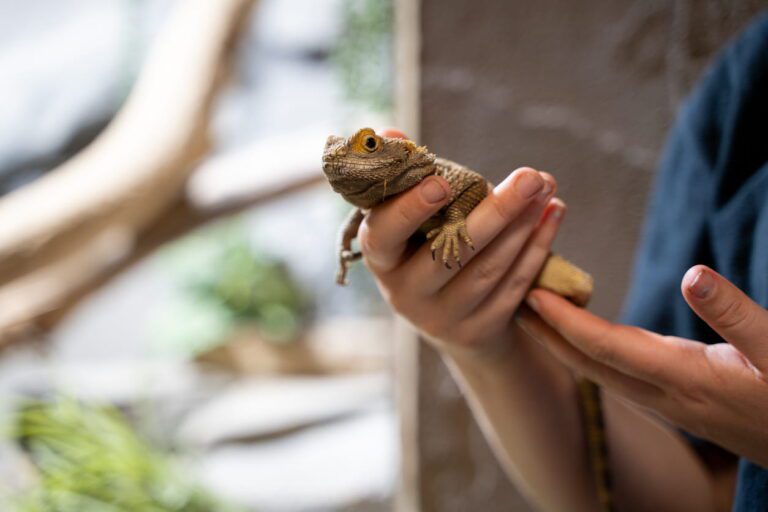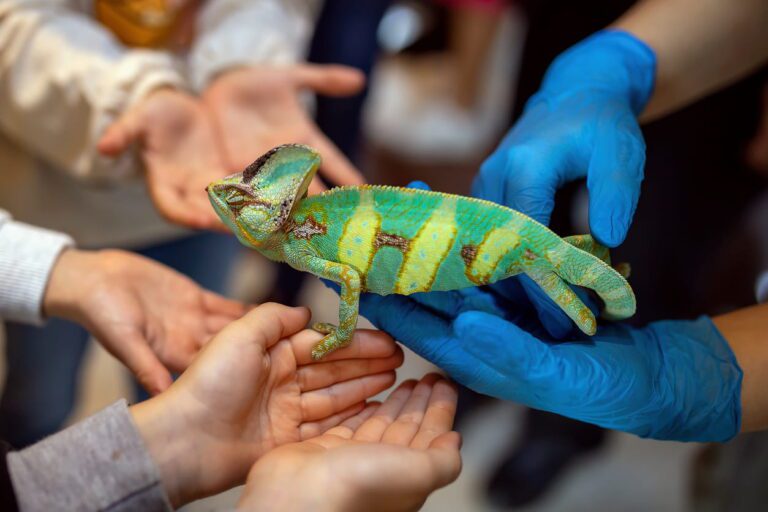

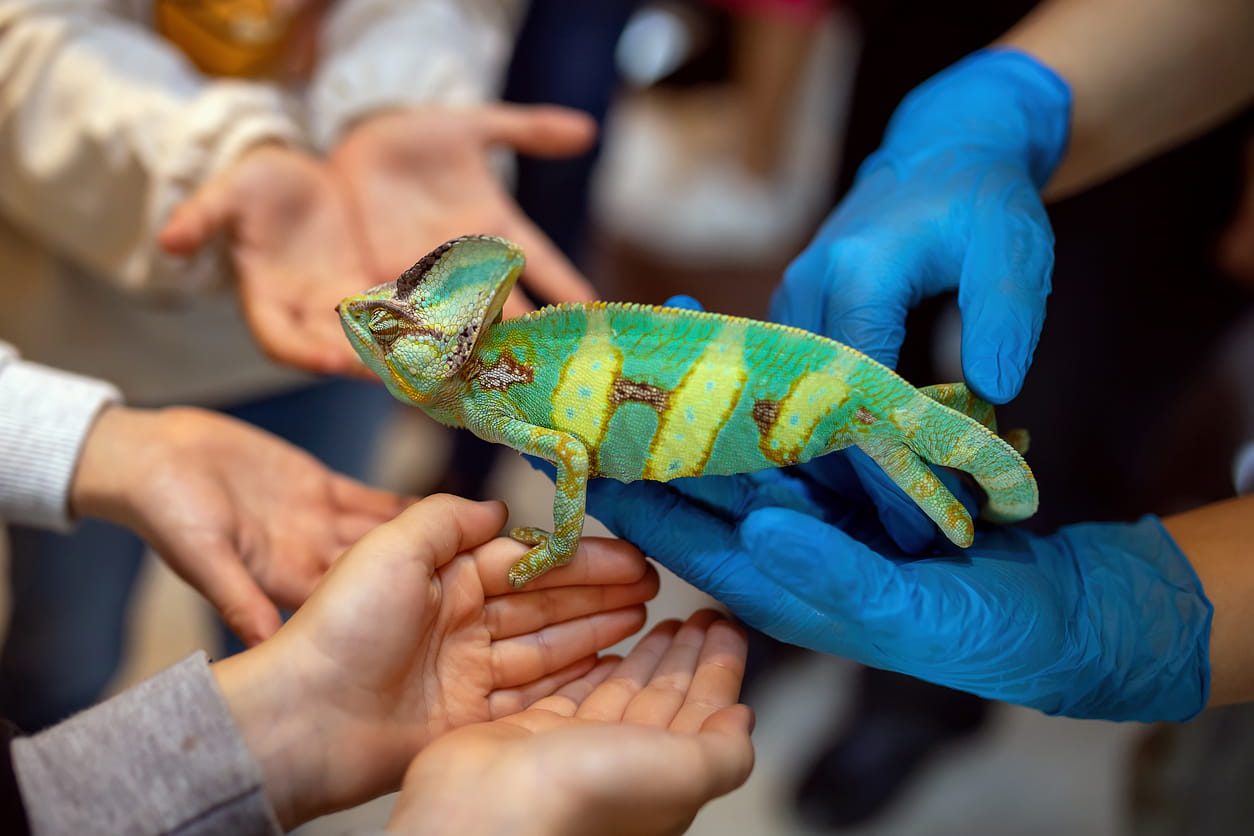
A school reptile visit gives pupils the chance to see and safely interact with animals they may never have encountered before. Berkshire Reptile Encounters brings a selection of reptiles and exotic animals directly into the school, creating an exciting learning experience without taking pupils off-site.
Each session is led by an experienced handler who introduces the animals one by one. Pupils can ask questions, take a closer look and, where suitable, gently handle some of the animals. No child is pressured to take part. Those who would rather watch can still enjoy the visit and remain involved throughout.
Animal encounters can make a lesson feel much more real. A photograph of a snake or tortoise may help explain a topic, but seeing the animal move and noticing its features up close can leave a stronger impression. Pupils often become curious very quickly, leading naturally to questions and classroom discussion.
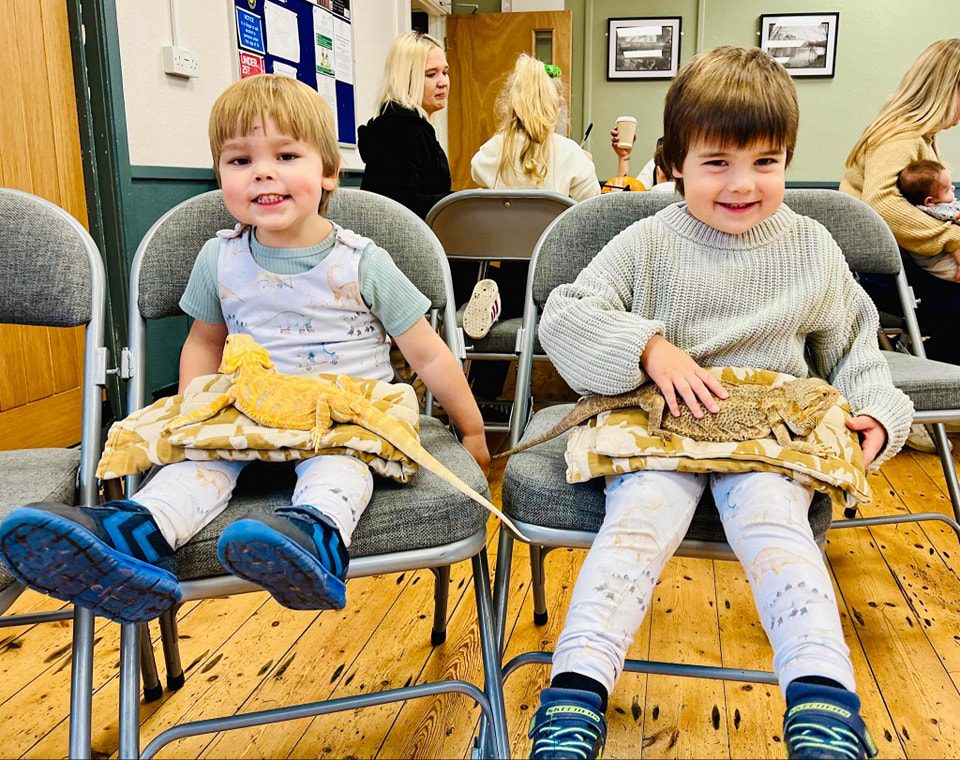
The visit also gives children a shared experience that teachers can use afterwards. The workshop might inspire a piece of writing, an art activity or further science work. Sessions can be adjusted to suit the pupils’ age and the subject being covered.
A school reptile visit can help to:
Berkshire Reptile Encounters plans each visit around the school and the pupils attending, helping the session connect with what children are already learning.
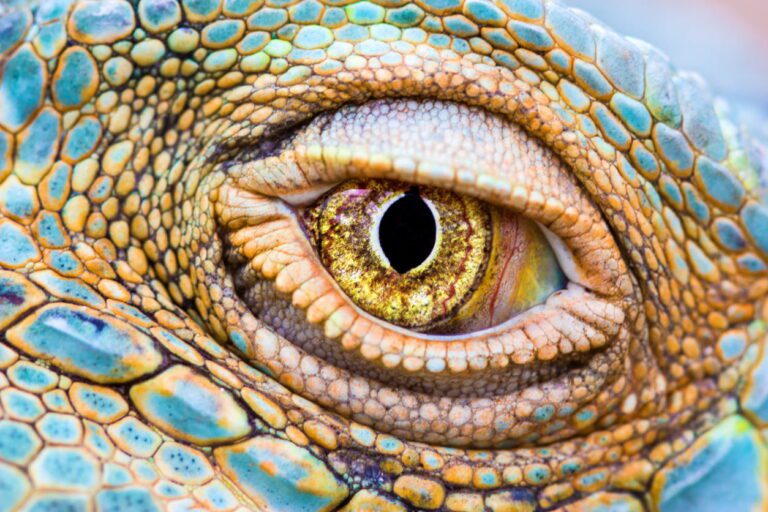
Reptile workshops can support science topics involving animals, habitats and adaptation. Seeing scales, shells, and different ways of moving helps children connect classroom vocabulary with a living example. It can also encourage them to think about why animals look and behave the way they do.
The discussion is pitched at a suitable level for the group. Younger pupils may focus on where an animal lives or what it eats. Older children can explore classification, food chains and responsible animal care in more detail. Schools can share their current topic before the visit, so relevant information can be included.
The animals attending may vary because their health and welfare always come first. Each visit includes a selection suitable for the school setting and the pupils’ age.
Children may meet:
Each animal is introduced separately, giving pupils time to observe it and learn a few clear facts before any handling takes place. The exact selection cannot always be guaranteed, so every visit may be a little different.
Clear guidance is given before pupils meet the first animal. Children are shown how to sit and how to behave around the reptiles. All interaction is supervised by the handler, while teaching staff remain with the group throughout the workshop.
Animal welfare receives the same care and attention. An animal will not take part if it is unwell or unsuitable for the group on the day. Secure enclosures are used during transport and between introductions. Schools should also provide suitable handwashing facilities for pupils after contact.
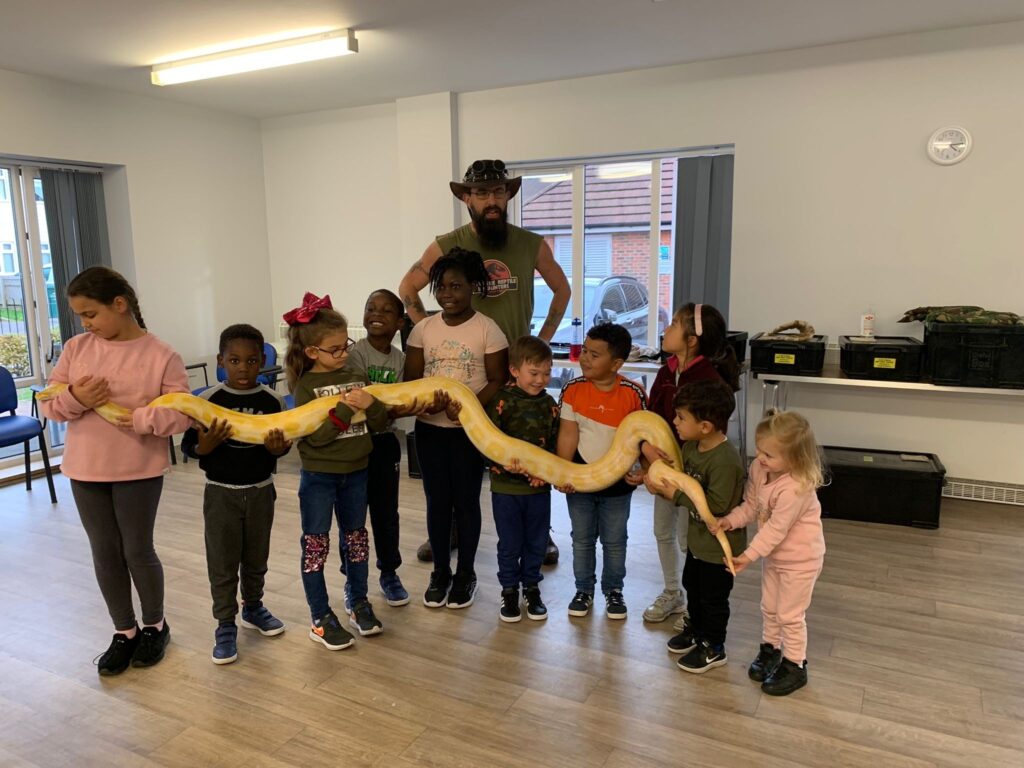
Sessions can be adapted for children with special educational needs or other additional needs. Some pupils may prefer to watch before moving closer, while others may benefit from a smaller group or slower pace. Staff can share any sensory, communication or mobility needs before the visit so they can be considered when planning the session, allowing children to remain involved without touching an animal.
Schools should provide a suitable indoor area where pupils can sit and see the handler clearly. A table or clear space may be needed for equipment and secure enclosures. Please confirm the number and ages of pupils, the session time, and any topics you would like covered. Information about allergies or other needs should be shared in advance. A teacher or responsible member of staff must remain with the group, and easy unloading access is helpful where possible.
Booking starts with a conversation about your school, the number of pupils and what you would like them to gain from the visit. Berkshire Reptile Encounters can then recommend a suitable session and explain the practical arrangements, including timings and space requirements.
Our animal handling workshops for schools in Berkshire are designed to make learning enjoyable while keeping interaction calm and supervised. Contact Berkshire Reptile Encounters with your preferred date and group details to discuss availability and arrange a workshop that suits your pupils.
In addition to school visits, we also offer reptile encounters for parties, events, weddings, and more – book now.