
Children are often fascinated by reptiles because they look and behave so differently from familiar pets. Snakes move without legs, lizards can shed their skin, and tortoises carry a shell that forms part of their skeleton. These unusual features can make reptiles exciting to learn about and appealing to children who enjoy animals.
Owning a reptile is very different from meeting one during a supervised session. Berkshire Reptile Encounters encourages families to learn about the animal’s needs before deciding to bring one home. Some reptiles can suit family life, but every species needs the correct care and an adult who is prepared to take full responsibility.
The best reptile pets for children are usually manageable in size and have well-understood care requirements. The child’s age and behaviour matter just as much as the type of reptile being considered. A calm child who listens carefully may be ready to help with basic tasks, while younger children will need much closer supervision.
Reptiles often considered suitable for beginners include:
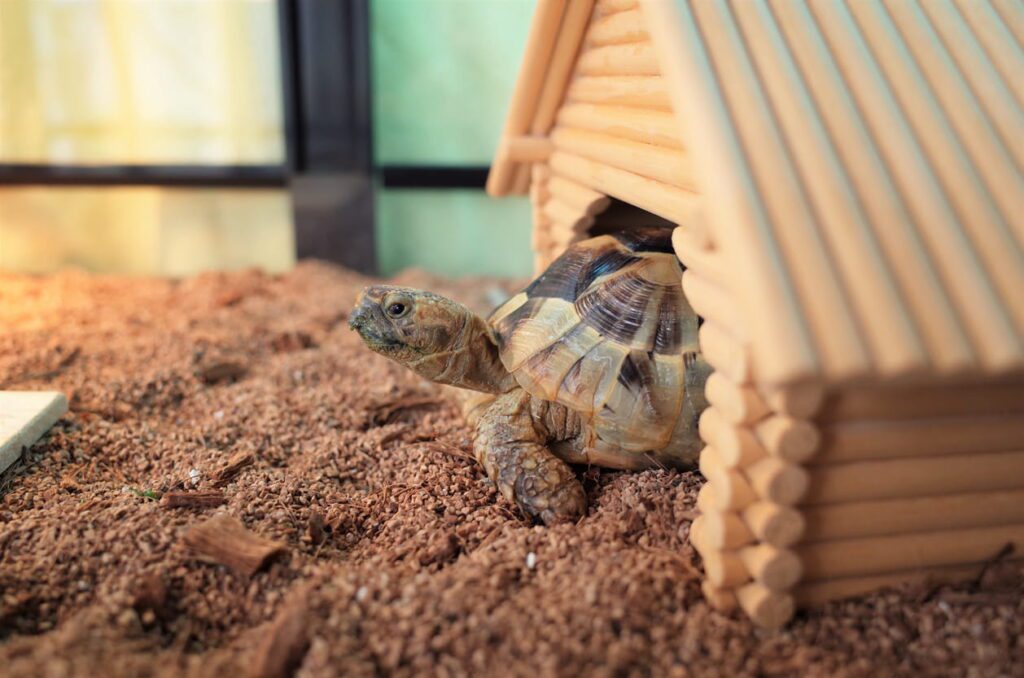
No reptile should be bought simply because it is described as easy to care for. Even reptiles for beginners need suitable heating, safe housing and a species-appropriate diet. Parents should research the adult size of the animal and make sure they can provide everything it will need throughout its life.
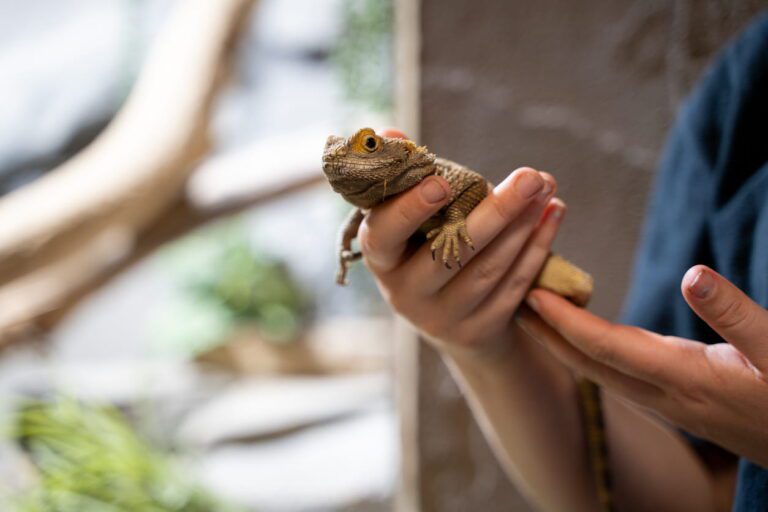
Meeting different animals first can help families make a more informed decision. Berkshire Reptile Encounters allows children and parents to observe reptiles closely and ask questions about their behaviour, feeding and care before considering ownership.
A reptile may be called a child’s pet, but an adult must remain responsible for its welfare. Children can help with simple jobs and learn to follow a care routine, although they should not be expected to notice health concerns or manage specialist equipment alone.
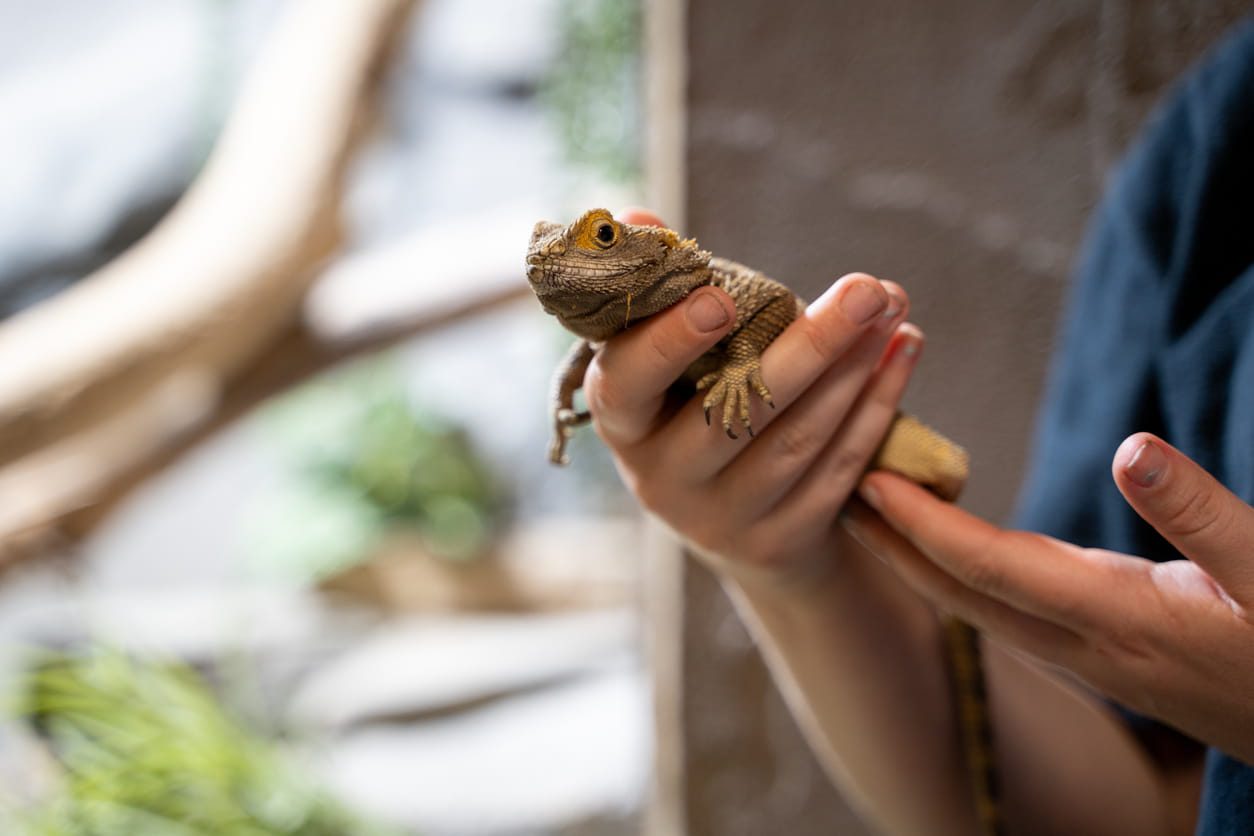
Common misconceptions can also affect how families view snakes and lizards. Snakes are not naturally aggressive, and lizards are not always happy to be handled. Each animal has its own temperament, and even a calm reptile may become stressed if it is picked up too often or handled roughly.
Reptiles may not need walks or constant attention, but they still require daily checks. Water must be kept fresh, temperatures must remain within the correct range, and the enclosure should be consistently checked for waste or other problems. Adults must also watch for changes in appetite and behaviour.
Children can gradually take part in age-appropriate tasks. They might help replace water or prepare suitable food under supervision. The adult should still make sure the animal is eating properly and that its living conditions remain suitable.
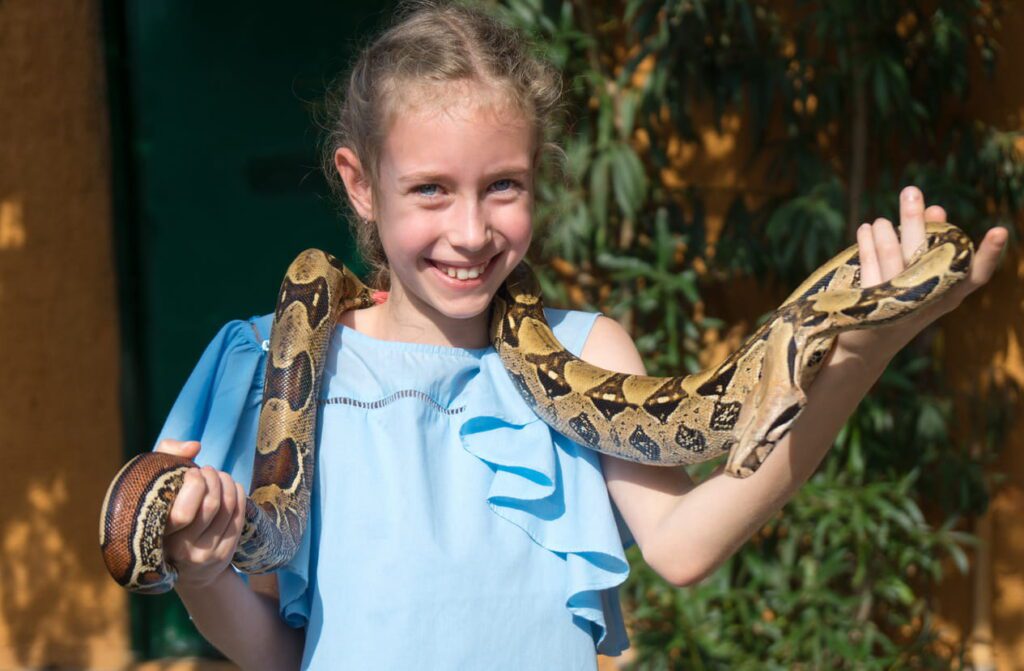
Every reptile needs an enclosure that suits its natural behaviour. This may include heating equipment, ultraviolet lighting and carefully controlled humidity. The animal may also need hides, climbing areas or a suitable surface underfoot. The enclosure should be ready and fully tested before the reptile arrives.
Feeding requirements can surprise first-time owners. Some lizards eat live insects, while snakes are usually fed whole prey. Tortoises need a carefully balanced plant-based diet rather than just ordinary household vegetables. Lifespan matters too, as some family reptiles can live for several decades and may remain dependent on the parents long after the child has grown up.
Learning about reptiles before buying one helps families understand the commitment involved. Parents should find out how large the animal will grow and how often it needs to be fed. It is also worth checking the likely cost of the enclosure, replacement equipment and specialist veterinary treatment.
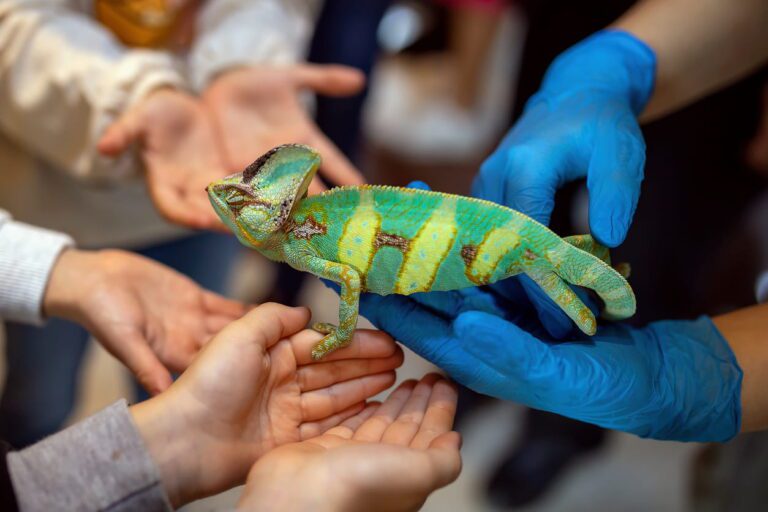
A reptile encounter may be a better choice when a child is curious about reptiles, but the family is not ready to own one. Encounters allow children to meet different animals without taking on a long-term commitment. They can also answer common questions about safe handling and what reptile care is really like.
Berkshire Reptile Encounters gives children and adults the chance to meet reptiles in a calm, supervised setting and learn more about their natural behaviour. Contact us today to arrange a reptile encounter for a school, party, or event, and give your child the opportunity to discover more before deciding whether reptile ownership is right for your family.