
Children often remember the lessons that allow them to see, hear and take part. A live animal encounter turns an ordinary topic into something they can experience directly, helping ideas feel more real than they might on a worksheet or screen.
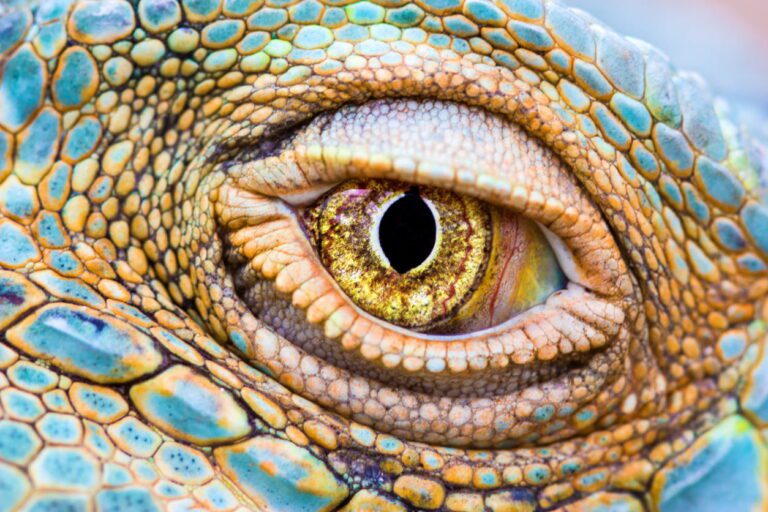
Educational animal experiences can also encourage children to ask questions they may not have thought of during a classroom lesson. Watching a reptile move or noticing its scales’ texture provides a natural starting point for discussion, offering teachers an engaging way to introduce science and the wider natural world.
Experiential learning means gaining knowledge through direct involvement. Instead of being told how an animal behaves, pupils can observe it for themselves and reflect on what they see. This active role can help children stay focused because they feel part of the lesson rather than just listening.
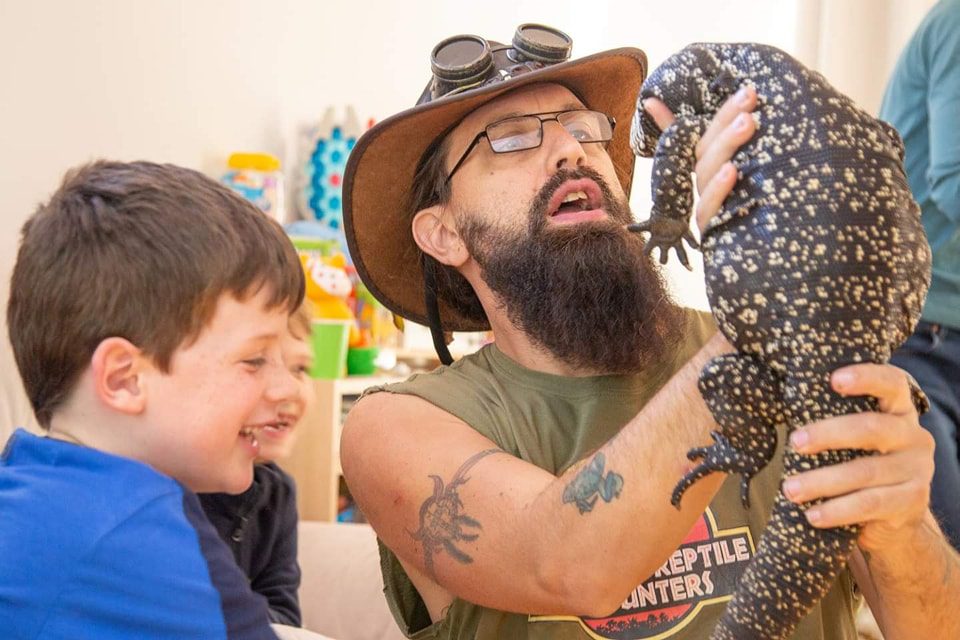
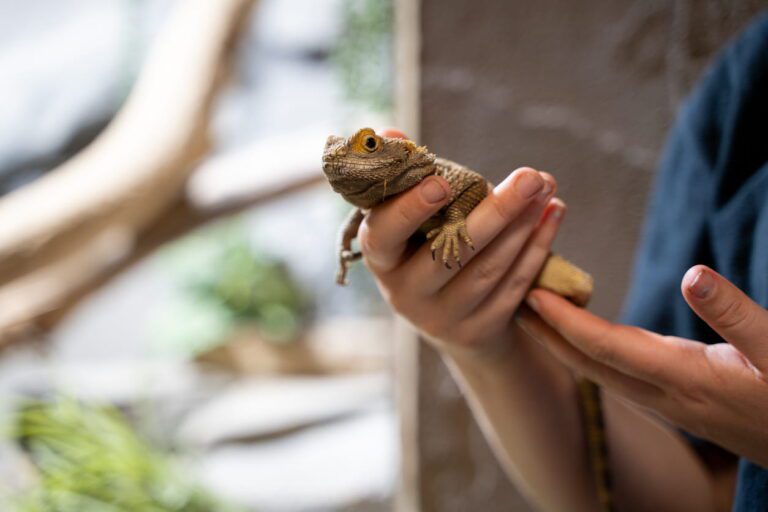
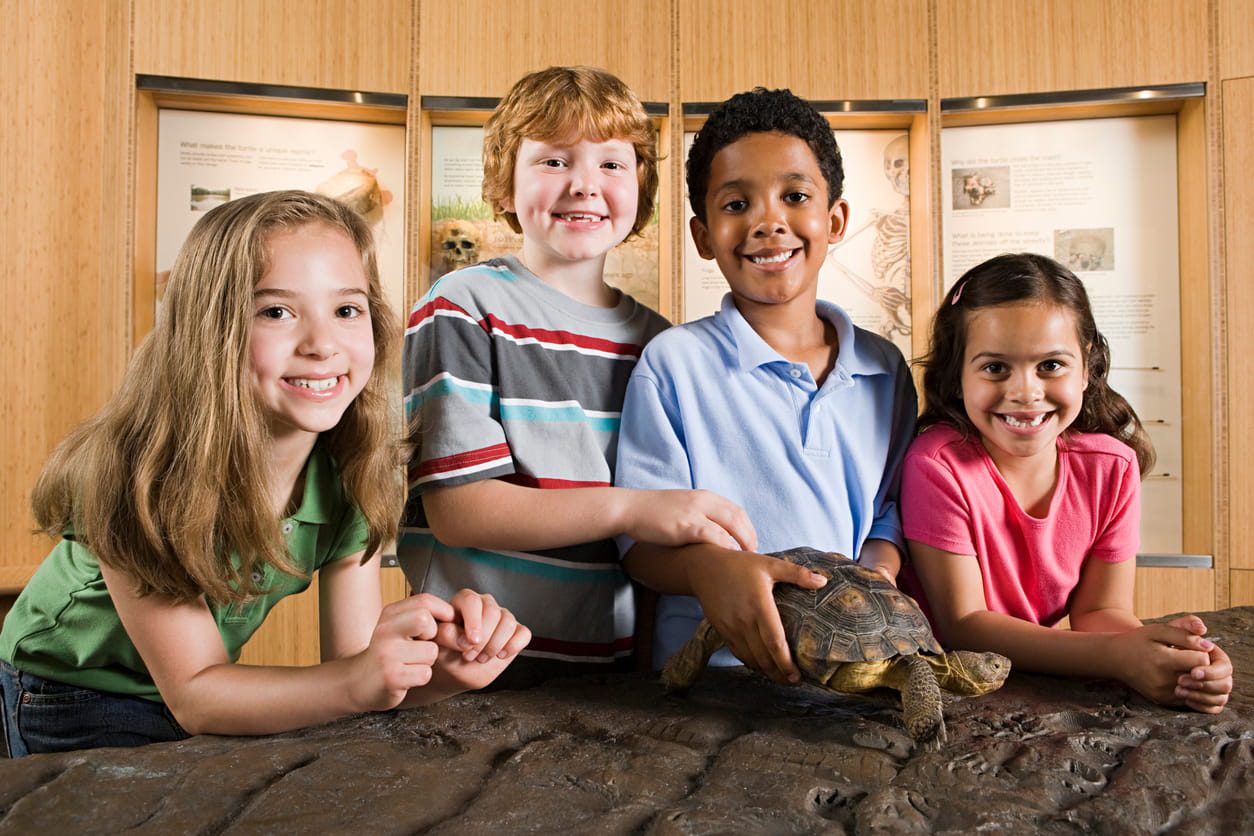
Live experiences often remain in a child’s memory because they involve more than one sense. A pupil may remember the weight of a tortoise, the movement of a snake or the way a lizard responds to its surroundings. These details give them something clear to connect with the information they hear.
Animal encounters for children can also create a shared memory for the whole class. Pupils may continue talking about the visit afterwards, which gives teachers opportunities to revisit the topic through writing, artwork or further science activities. Want to book a reptile encounter? Contact Berkshire Reptile Encounters today.
Learning through animals can support several areas of a child’s development. The session may begin with simple facts, but the experience can lead to wider conversations about habitats, behaviour and responsible care.
Children may develop:
These lessons can continue after the visit has ended. A teacher might ask pupils to describe an animal they met, compare two species or explain how a reptile is adapted to its habitat. The encounter gives them a real example to think about rather than asking them to imagine one.
School workshops can also help pupils who are less engaged by traditional lesson formats. A live animal can capture their attention and give them a reason to join the discussion, even if they are usually hesitant to speak in class.
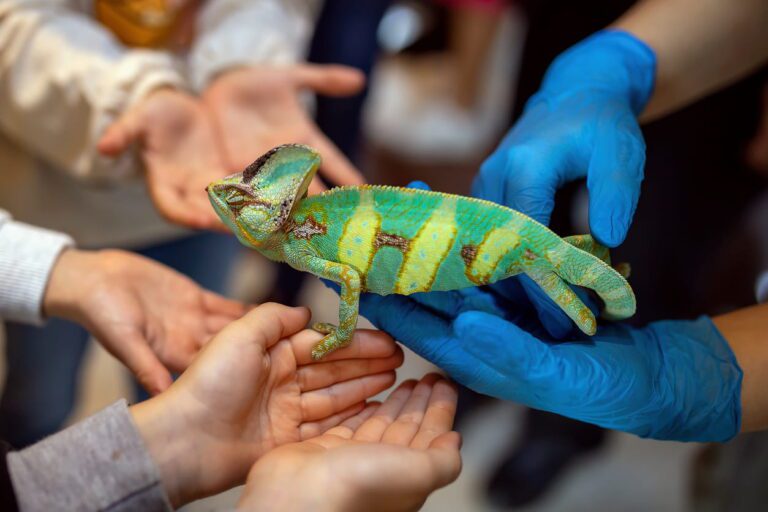
Meeting an unfamiliar animal can feel like a big step for a child. Some pupils may begin the session feeling unsure about touching a reptile, then gradually decide to move closer or take part. Making that choice for themselves can give them a real sense of achievement.
Participation does not require holding every animal. A child may choose to stroke a tortoise, sit near a snake or ask a question. Each small step matters, and children should always be allowed to take part at a level that feels manageable for them.
Many children have picked up misconceptions about snakes and lizards through films, stories or comments from adults. They may believe all snakes are dangerous or assume reptiles are aggressive because they look unfamiliar.
A calm, supervised encounter gives pupils the chance to replace those ideas with real observations. They can see how the animals move and learn why reptiles behave the way they do. Understanding often helps fear become less intense, even if the child still prefers to watch rather than handle.
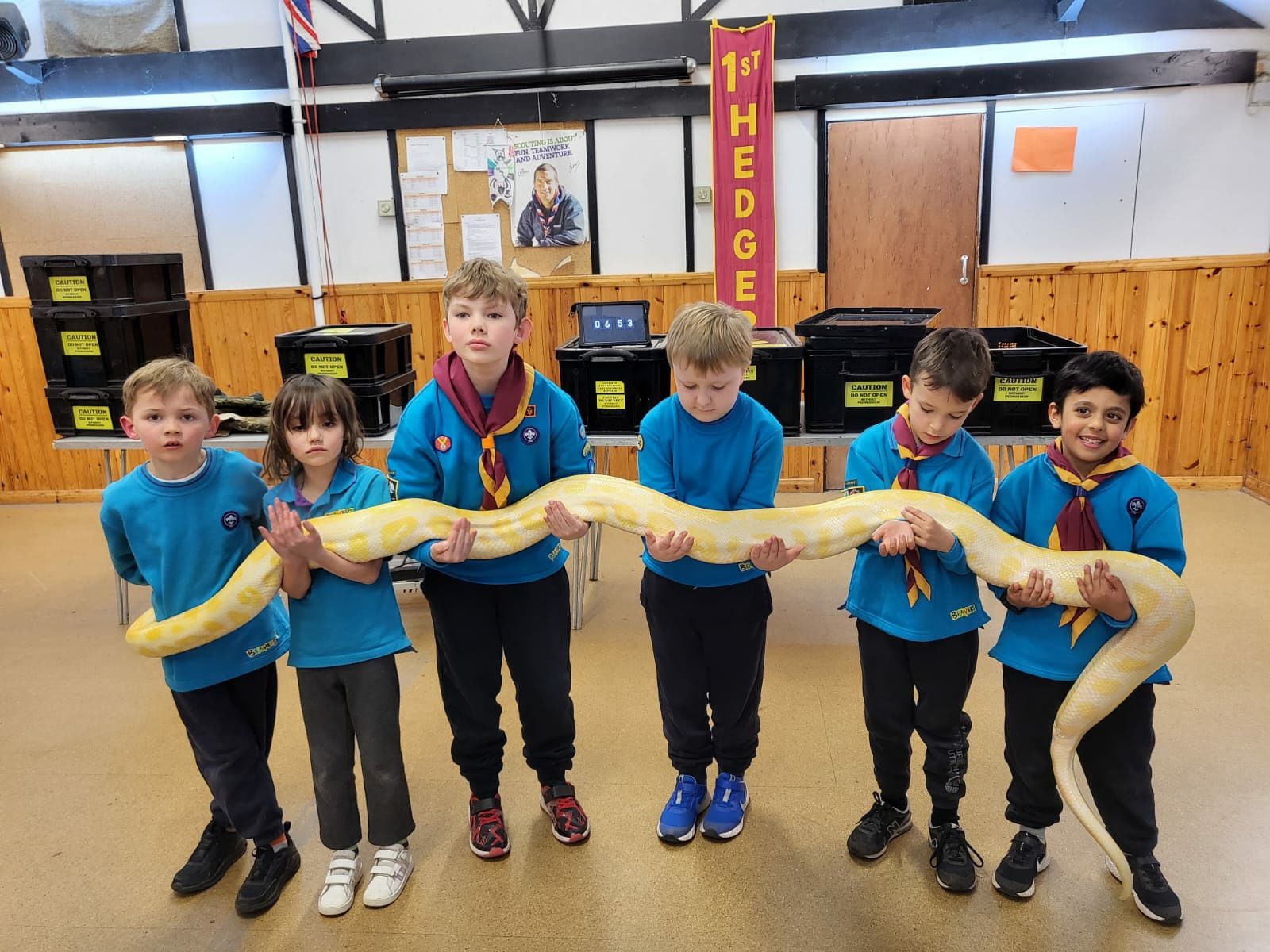
Animal encounters can be especially valuable for some pupils with special educational needs. The clear focus of a live animal may help children who find it difficult to stay engaged during a longer verbal lesson. The experience can be adapted with a slower pace, a smaller group or more time to observe.
Children with sensory needs should never feel pressured to touch an animal. Some may prefer to watch from a comfortable distance or listen to the handler’s explanation. Sharing relevant needs before the visit allows the workshop to be planned with the group in mind.
Reptiles naturally prompt questions. Pupils often want to know what an animal eats, how it moves or why its body looks a certain way. These questions can lead to discussions about adaptation and classification without the lesson feeling forced.
A reptile workshop can support topics already being covered in school. Younger pupils may explore the basic needs of animals, while older children can look more closely at habitats or food chains. Teachers can share their current subject in advance so the session supports classroom learning.
Berkshire Reptile Encounters provides educational animal encounters for schools across Berkshire, giving pupils the opportunity to meet reptiles in a calm, supervised setting. Contact us today to discuss your school workshop, share your pupils’ ages, and arrange a visit that supports their learning.
In addition to school workshops, we also provide reptile encounters for birthday parties, care homes, weddings, and various events – contact us now.